

As businesses expand and operations grow, they often encounter a formidable challenge in the form of scaling. One such challenge that becomes increasingly evident as organisations scale is the intricacy of General Ledger (GL) coding. Invoice coding isn’t just about neat categorisation; it’s about harnessing the power of data. Alongside these tips, you should also ensure that your new A/R solution has a sound technological footing. To explore how we can get you paid faster and with less effort, book a demo today.
- When it comes to accounts payable invoice processing best practices, there isn’t necessarily a one-size-fits-all strategy for getting the most out of your AP process.
- Invoice processing is the series of steps a business undertakes to receive, review, approve, and pay invoices from suppliers or vendors.
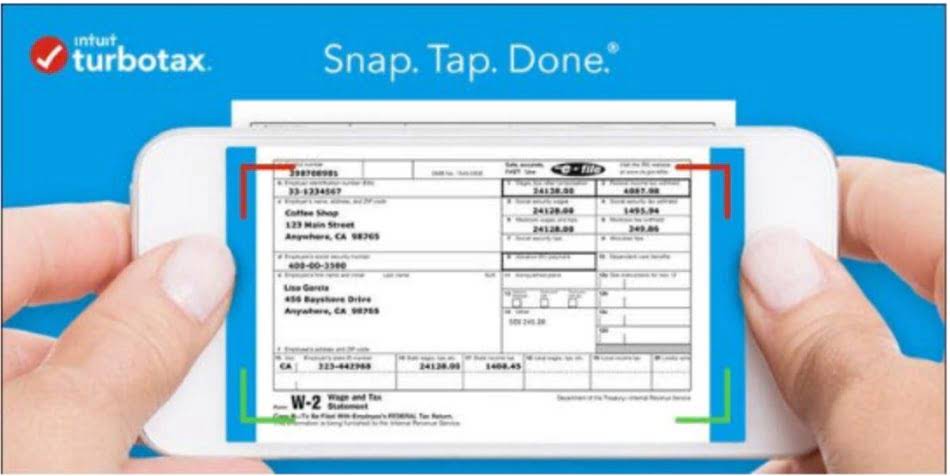
- Many automated invoice processing systems can capture the data from scanned invoices using Optical Character Recognition (OCR) making it easy to process them electronically.
- Integrating automation tools with ERP systems further enhances consistency and data accuracy.
- When you convert funds for invoice payments, you can access 60+ trade currencies at interbank rates and save up to 80% on FX fees.
- When invoice processing is automated, every invoice is entered with a timestamp.
- Using a dedicated email address (e.g., ap@yourcompany.com) or an electronic invoicing system can help streamline this process.
Missing Documents

Shifting to a paperless invoicing system reduces environmental impact and saves storage space. Digital records not only declutter the office but also support sustainability efforts. Reliable automated processes minimize payment delays, strengthening partnerships and enhancing competitive positioning in Outsource Invoicing the market. From the inbox, optical character recognition (OCR) reads each invoice and enters the data, checking it for things like duplicate invoice numbers. The accounting team can simply review the data instead of having to type it in, noting any flags that were raised by the system.
Automated Invoice Processing: Everything You Need to Know
According to the same sources, resolving an invoice error can cost around $53. These errors might seem small at first, but they can lead to significant issues down the road, such as incorrect financial statements, overpayments, or underpayments. When generating a given invoice, your staff will want to include whatever codes, labels, or tags are relevant for that specific transaction.
What are the different types of invoice matching?
This what is coding in invoice processing holistic approach can provide even greater visibility and control over your financial processes. Invoice processing is a cornerstone of efficient accounts payable (AP) operations. It ensures accurate and timely vendor payments, supports healthy cash flow, and fosters stronger vendor relationships. However, effective invoice management goes beyond simple record-keeping—it involves leveraging innovation to reduce processing times, improve visibility, and enhance overall operational efficiency.
- A centralized inbox provides a dedicated email where vendors can send invoices—at an address that isn’t tied to any specific employee.
- From capturing invoice data and matching line items to automating payment cycles and reconciling records, Ramp centralizes your AP process, seamlessly integrating with your ERP to speed up month-end closes.
- Automated invoice processing ensures vendors are paid accurately and on time, improving trust and positioning businesses as reliable partners.
- But when done manually, processing invoices can take several weeks, leading to approval delays and higher costs.
- Many companies manually assign GL codes to invoices, which is a highly error-prone and time-consuming process.
As such, the actual logistics of your coding automation will depend heavily on the solution you choose, so you’ll want to make sure that you find the right offering. It shows up in your metrics as invoice exceptions—the top AP challenge (53%)—and they still average ~14% of invoices industry-wide. Intuitive user interfaces – The software must provide intuitive user interfaces that can be easily used and understood by users. Simple and intuitive interfaces require very little or no training for using the invoice software. Imagine no more filing cabinets, fewer printing devices, and shelves of storage reclaimed from paper and toner supplies — less shipping, less photocopying, less filing and searching. It’s the accelerant to getting more from the AP automation investment you’ve already made, and a way to help your existing AP team accomplish more without added stress.
- If a business is still processing invoices manually, an orderly file system should be set up that makes it easy to retrieve bills.
- Automation is about eliminating tedious and unnecessary tasks so accounting staff can concentrate on more complex issues.
- Document management software scans invoices and extracts data more efficiently and accurately when compared to manual entries by accounting teams.
- Accounts payable invoice processing is often best managed with an AP solution, which can help automate much, if not all, of the process.
- No further need to have staff memorize the right codes or consulting look-up tables, no more worrying.
- Finance teams can use this data to make informed decisions about automation workflows, integration capabilities, and working capital management.
Coding Invoices: Streamline the Process with Automation
Automated invoice processing speeds this up by instantly matching invoices against POs and receipts, flagging discrepancies before they cause delays. Instead of checking everything by hand, teams can focus only on invoices that need attention. Automated coding systems can process invoices 24/7, ensuring invoices are coded promptly, even outside of regular business hours. Gain real-time tracking of invoices to manage cash flow effectively, preventing late payments and maintaining vendor relationships. Discrepancies, if any, are flagged for review, reducing the risk of duplicate payments or fraud. Approval workflows are automated, notifying relevant personnel and routing invoices seamlessly.

With that said, let’s break out some of the AP processes that are perfect for automation and provide some details about how and why. An invoice processing flowchart can also help you to identify and remove inefficiencies. Automated invoice processing removes a tremendous amount of the manual effort that can bog down traditional invoice management systems. Look for features such as dashboards, automated notifications, and collaboration tools that allow teams to quickly resolve issues and approve invoices efficiently. Assess the software’s ability to automatically detect and https://www.manuelstowing.com/paypal-transaction-history-learn-the-way-to-check/ resolve exceptions without heavy manual intervention. This includes mismatched purchase orders, missing approvals, or incorrect amounts.
The must-have features of invoice automation software are:
The company needs to pay the due amount as mentioned on the invoice before the last date. The vendor payments processing should be in accordance with the payment terms. The expense tracking process becomes simple when the codes are assigned to the invoice. Additionally, it leads to a systematic recording that is both accurate and transparent.
For example, a local retail shop might focus on inventory, rent, utilities, and payroll expenses. Their main goals are to separate personal from business expenses and keep clear records for taxes. Basic accounting software with industry-specific charts of accounts often meets their needs.